
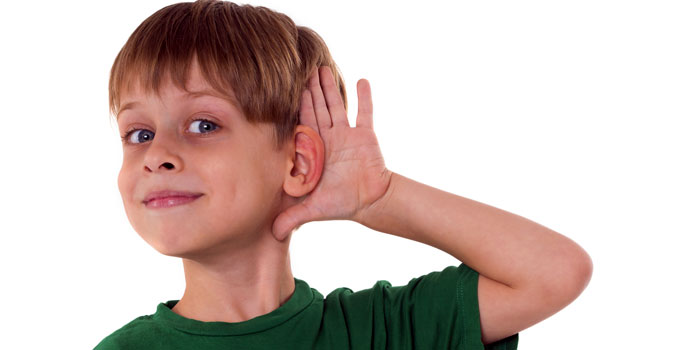
Prevent hearing loss in children with these tips
Preventing hearing loss in children is a top priority for parents, especially considering the widespread use of phones and tablets that directly deliver sound into their ears through headphones. If you’re concerned about your child’s auditory health, here are four essential methods to protect their hearing:
Educate them about safe volume levels
Visiting a daycare or primary school quickly reveals how loud children can be. They scream, sing, and shout at maximum volume. Teaching children what constitutes excessive noise, especially when using ear/headphones, is crucial.
A general rule to impart is that if you can hear someone’s music while they listen to it, it’s too loud. Also, explain that if they can’t hear someone calling their name with earphones on, the volume is too high.
Invest in high-quality headphones
While “headphones” and “earphones” are often used interchangeably, there is a difference that significantly affects hearing, especially in children. Earphones are small buds inserted into the ear canal, while headphones rest over the head and cover the ears.
Headphones not only provide greater comfort but also offer clearer sound, which discourages users from turning up the volume excessively. Ensure you research and choose headphones or earphones that prioritize your child’s hearing, as the packaging usually provides information on the noise range and frequency.
Utilize hearing protection when necessary
Protecting hearing shouldn’t be limited to heavy metal concerts; it should extend to various environments, particularly for children. Any loud gathering or event, such as firework displays, can pose risks to their delicate ears.
Consider using earmuffs or earplugs to shield your child’s hearing. Earmuffs are suitable for young children, including infants, while older children may prefer earplugs. Whichever option you choose, ensure they wear them when exposure to loud noises is anticipated.
Educate your child about the importance of hearing
Children are perceptive and dislike being told what to do. Merely ordering them to wear hearing protection or lower the volume often leads to rebellion. Instead, educating and explaining the reasons and consequences of hearing loss can have a more significant impact.
Help your child understand that their ears contain tiny hairs that detect sound vibrations. Explain that excessive loudness can damage these hairs, resulting in an inability to hear any sounds, including quieter ones.
When children comprehend the significance of protecting their hearing, they are more likely to actively prioritize it.
By implementing these strategies, you can effectively prevent hearing loss in children while empowering them with knowledge and understanding.


Leave a Reply
Want to join the discussion?Feel free to contribute!