
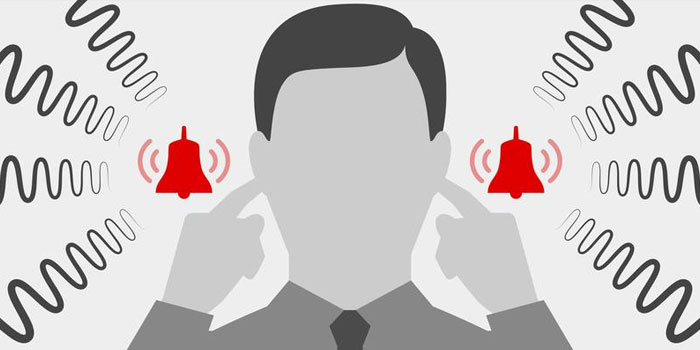
How hearing aids can help ease tinnitus
Anyone who suffers from tinnitus will tell you how horrible it is.
Tinnitus symptoms are different for every person, but are usually a persistent ringing, buzzing, or whirring sound and can be loud or soft, pulsing or steady.
It can come and go or be there constantly. For some, tinnitus seems to get louder at night, just before sleep when no other sounds are competing with it, and in severe cases, it can lead to depression and even suicide.
What causes tinnitus?
This is the thing, we still don’t know for sure what causes tinnitus. We have our theories, but none of it is set in stone.
One thing that’s sure though, is that tinnitus isn’t a problem with your ears, it’s a problem with your brain.
It usually comes hand-in-hand with hearing loss, and the ringing seems to be your brain’s way of attempting to restore the audio input that’s missing.
Because of this, hearing aids might actually help with the symptoms of tinnitus.
How a hearing aid can help
The first reason hearing aids might help with tinnitus is the obvious one; they restore some of the sounds your brain is missing, and so it doesn’t try to make up additional audio.
Hearing aids also bring background noise back into our lives if we have hearing loss. It might be these sounds that we’re missing which the brain then makes up for, but again, it’s all just theory.
Tinnitus is also related to stress, which of course can be caused by many different things, especially not being able to hear properly.
The relief that hearing aids bring may also contribute to a lessening of tinnitus, simply through less stress in our everyday lives.
It must be noted though that all of this is conjecture and speculation because we don’t know what causes it.
Getting help with tinnitus
Because it’s not life-threatening, physically disabling, or even noticeable to other people, tinnitus is often ignored, leaving sufferers feeling frustrated and helpless.
The first thing to do is consult a medical professional. Whether it’s your doctor or an audiologist, having someone check your ears is the first step.
Your doctor will typically diagnose you with tinnitus based on your symptoms alone, but to help identify the cause and possible treatment of your tinnitus, your doctor will likely ask you about your medical history.
Unfortunately, oftentimes, tinnitus can’t be cured, but it may also be something as simple as earwax causing it.
The only way to find out is if you see a medical professional, so don’t delay.


Leave a Reply
Want to join the discussion?Feel free to contribute!